 By
ByThe way Shilajit is consumed directly affects how efficiently its active compounds are absorbed and utilized in the body. This is not a matter of preference. It is a matter of biochemistry and nutrient delivery.

Shilajit contains fulvic acid, humic substances, and over 80 trace minerals. Among these, fulvic acid is the primary driver of absorption, acting as a carrier molecule that transports minerals into cells. Its behavior in water and milk differs significantly, which is why the choice of medium changes the outcome.
This comparison blog focuses on lukewarm water and milk, both used traditionally and supported by modern nutritional understanding.
How Shilajit Works in the Body
Fulvic acid is a low molecular weight organic acid with strong electrolyte properties. It dissolves completely in water and forms ionized particles.

These particles pass efficiently through intestinal membranes and support intracellular nutrient transport.
Research on fulvic substances confirms three key actions:
- Enhancement of mineral absorption
- Support for mitochondrial electron transport
- Antioxidant activity at the cellular level
The delivery medium determines how quickly and efficiently these processes begin.
Shilajit with Lukewarm Water
Absorption Efficiency
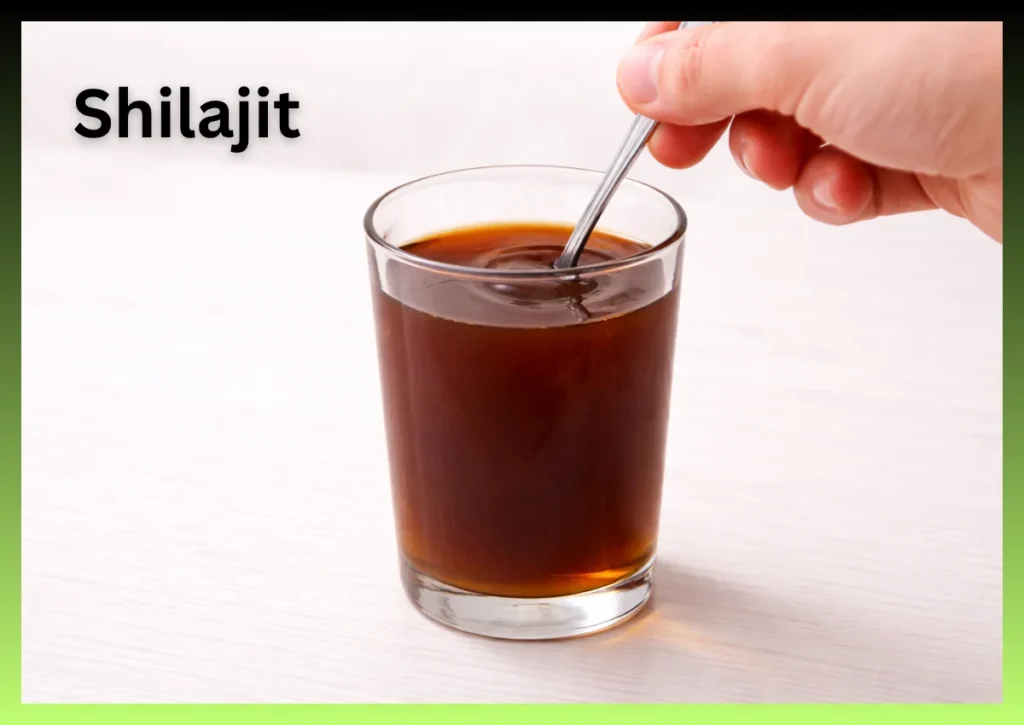
Lukewarm water at 40 to 60 degrees Celsius creates the ideal environment for Shilajit resin to dissolve completely. This ensures that fulvic acid and minerals remain in an ionized and bioavailable state.
Water does not interfere with absorption. It moves quickly through the stomach into the small intestine, where nutrient uptake occurs. Because Shilajit is already dissolved, the body absorbs it without delay.
This results in rapid systemic availability of active compounds.
Impact on Energy Systems
Fulvic acid supports mitochondrial function by facilitating electron transfer within the electron transport chain. This process directly influences ATP production, which is the primary source of cellular energy.
When Shilajit is taken with water, there is no delay from digestion of fats or proteins. The compounds enter circulation faster, leading to a measurable increase in energy metabolism efficiency.
Mineral Delivery
The minerals in Shilajit, including iron, magnesium, and zinc, remain unbound in water. This allows them to be absorbed in their most active form. There is no competition or binding interference from other nutrients.
Digestive Load
Lukewarm water places minimal demand on digestion. It allows Shilajit to pass through the gastrointestinal tract efficiently, making it suitable for empty stomach intake.
Outcome Profile
- Fast absorption
- Immediate energy support
- Maximum fulvic acid activity
- Efficient mineral transport
Shilajit with Milk
Absorption Kinetics
Milk contains fats, proteins, and calcium, all of which influence digestion. These components slow gastric emptying, which delays the movement of Shilajit into the small intestine.
This creates a controlled and sustained release profile, rather than rapid absorption.
Nutrient Interaction
Calcium in milk interacts with certain minerals present in Shilajit. This interaction reduces the rate of immediate absorption but extends the duration of mineral availability in the bloodstream.
Milk proteins, particularly casein, form a matrix that slows digestion and stabilizes nutrient release.
Sustained Energy Delivery
Because of slower digestion, Shilajit taken with milk produces a gradual and prolonged energy effect. This aligns with steady metabolic support rather than immediate stimulation.
Recovery and Anabolic Support
Milk provides amino acids and fats that support tissue repair and recovery. When combined with Shilajit’s mineral profile, this creates a nutrient-dense combination that supports strength and overall vitality.
Digestive Stability
Milk buffers the intensity of Shilajit. It reduces direct contact of concentrated minerals with the stomach lining, resulting in improved digestive comfort.
Outcome Profile
- Slower, sustained absorption
- Extended energy release
- Improved recovery support
- Enhanced digestive comfort
Shilajit with Lukewarm Water vs Milk
| Parameter | Lukewarm Water | Milk |
| Dissolution | Complete and immediate | Complete but delayed utilization |
| Absorption Speed | Rapid | Controlled and sustained |
| Fulvic Acid Activity | Maximum | Moderated but prolonged |
| Mineral Uptake | Immediate | Gradual |
| Energy Effect | Fast activation | Long duration |
| Digestive Demand | Minimal | Moderate |
| Nutrient Synergy | Independent | Combined with protein and fat |
Scientific Interpretation
This comparison reflects two different delivery systems:
- Water functions as a rapid transport medium
It aligns with the water soluble nature of fulvic acid and ensures immediate bioavailability. - Milk functions as a sustained release medium
It slows absorption and extends nutrient availability over time.
Both methods preserve Shilajit’s core compounds. The difference lies in absorption kinetics and metabolic response.
Practical Application Strategy
For optimal results, intake should align with physiological needs:
- Use lukewarm water when the goal is maximum absorption, energy activation, and metabolic efficiency
- Use milk when the goal is recovery, sustained nourishment, and long lasting support
This approach is consistent with both traditional usage patterns and modern nutritional science.
The Lowdown
Lukewarm water provides the fastest and most efficient absorption of Shilajit
Milk slows absorption and delivers nutrients over an extended period
Fulvic acid performs optimally in water based environments
Milk enhances recovery through protein and fat interaction
The best results come from matching the method with the intended outcome
Final Verdict
Lukewarm water delivers Shilajit in its most bioavailable form. It ensures rapid absorption, maximum fulvic acid activity, and immediate metabolic impact.
Milk modifies the absorption curve. It provides sustained delivery, supports recovery, and enhances overall nutritional value.
The difference is not about effectiveness. It is about speed versus duration of action.
Also Read:
Fake Shilajit vs Real Shilajit: How to Tell the Difference
Shilajit Ultra Reviews: Does It Really Work or Just Marketing?
References:
Chemical Analysis of Native Himalayan Shilajit: An Evaluation of an Ayurvedic Formulation
Therapeutic Potential of Fulvic Acid in Chronic Inflammatory Diseases and Diabetes
Disclaimer
This article is for informational purposes only. Please consult a licensed healthcare provider before starting any new supplement, especially if you are pregnant, breastfeeding, or on medication.

Reviewed by: Dr. Rohan Kapadia, BAMS (India)
Ayurvedic physician with an interest in traditional herbal preparations, Ayurvedic wellness, Shilajit, Himalayan botanicals, ingredient quality, and the responsible communication of traditional health information.
View full profile →Medical review date: May 5, 2026