 By
ByFriends, when we explore natural supplements for energy, immunity, and overall body wellness, two powerful names consistently stand out: Black Seed Oil and Shilajit.
Both have been used for centuries in traditional medicine systems like Ayurveda and Unani. Both offer impressive health benefits backed by modern research. But when it comes to choosing the right one…
👉 Which is actually better for our body and lifestyle?
In this guide, we’ll break down everything: benefits, differences, scientific insights, dosage, safety, and how to choose the best option for our goals.
What Is Black Seed Oil?
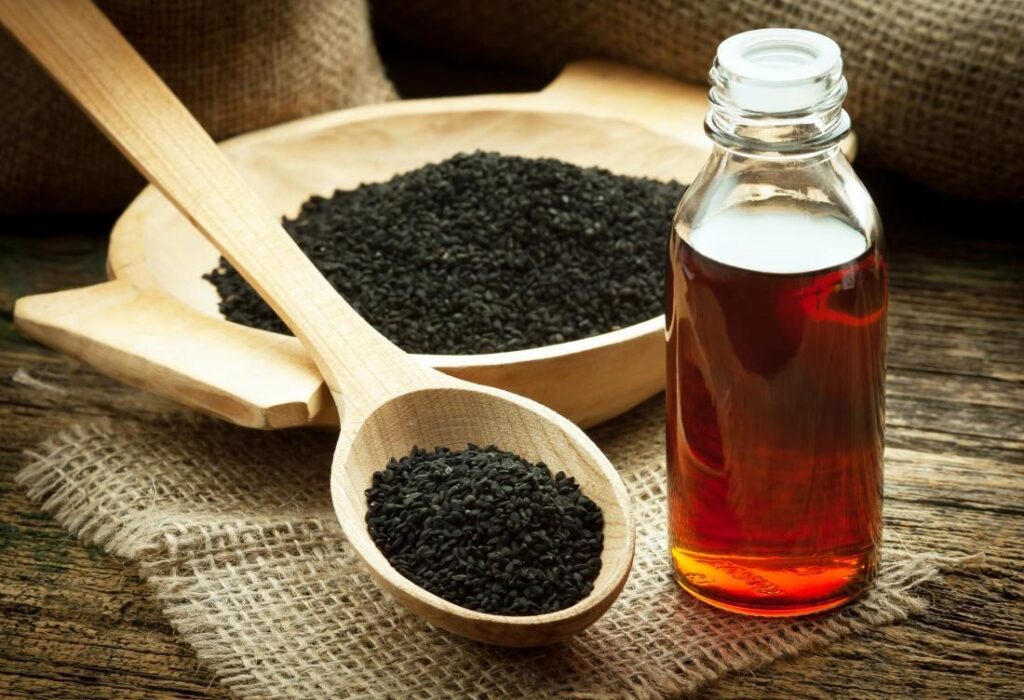
Black Seed Oil is extracted from the seeds of Nigella sativa, commonly known as kalonji in India.
It has been used for over 2,000 years and is widely known for its healing properties.
🔬 Key Active Compounds
- Thymoquinone (primary bioactive compound)
- Omega-3, 6, and 9 fatty acids
- Antioxidants
Benefits of Black Seed Oil
1. Supports Immunity
Black Seed Oil helps regulate our immune system and may reduce inflammation markers.
2. Anti-Inflammatory Power
Thymoquinone has strong anti-inflammatory effects, which may help with chronic conditions.
3. Improves Skin and Hair Health
- Helps reduce acne
- Promotes hair growth
- Nourishes scalp
4. Supports Heart Health
May help lower cholesterol and blood pressure.
5. Blood Sugar Control
Some studies suggest improved insulin sensitivity.
📌 Traditional wisdom even says:
“Black seed cures everything but death.”
What Is Shilajit?
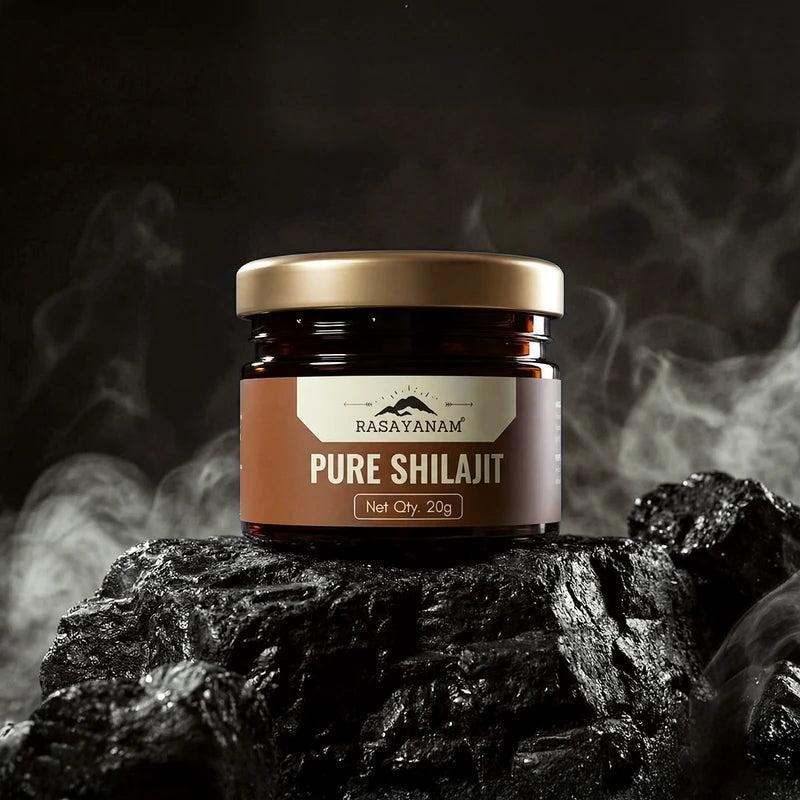
Shilajit is a sticky, tar-like substance found in the Himalayan mountains. It forms over centuries from decomposed plant matter and minerals.
In Ayurveda, it is classified as a Rasayana, a rejuvenating substance.
🔬 Key Active Compounds
- Fulvic Acid
- 80+ trace minerals
- Humic substances
Benefits of Shilajit
1. Boosts Energy and Stamina
Shilajit supports mitochondrial function, helping our cells produce more energy.
2. Enhances Testosterone (Men)
Some clinical studies show increased testosterone levels.
3. Improves Brain Function
Supports memory, focus, and cognitive clarity.
4. Speeds Up Recovery
Helpful for athletes and physically active individuals.
5. Anti-Aging Properties
Rich in antioxidants that fight oxidative stress.
Shilajit vs Black Seed Oil: Key Differences
| Feature | Black Seed Oil | Shilajit |
| Source | Plant (Nigella seeds) | Mineral resin |
| Main Compound | Thymoquinone | Fulvic Acid |
| Core Benefit | Immunity & inflammation | Energy & vitality |
| Traditional System | Unani & Ayurveda | Ayurveda |
| Best For | Skin, immunity, metabolism | Strength, stamina, recovery |
🔍 Black Seed Oil vs Shilajit: Benefits Comparison
💪 Energy & Stamina
- Shilajit directly boosts mitochondrial energy production
- Black Seed Oil provides indirect energy via reduced inflammation
👉 Winner: Shilajit
🛡️ Immunity & Inflammation
- Black Seed Oil has strong anti-inflammatory properties
- Helps regulate immune response
👉 Winner: Black Seed Oil
🧠 Brain Health & Focus
- Shilajit supports neurotransmitters and cognitive function
- May reduce brain fog
👉 Winner: Shilajit
🌿 Skin & Hair Health
- Black Seed Oil is widely used for skin nourishment
- Helps reduce acne and scalp issues
👉 Winner: Black Seed Oil
❤️ Heart Health
- Black Seed Oil may help lower cholesterol
- Shilajit supports circulation but less direct impact
👉 Winner: Black Seed Oil
🧪 Scientific Perspective: What Does Research Say?
Black Seed Oil Research Highlights
- Studies show anti-inflammatory and antioxidant effects
- May help with asthma, diabetes, and hypertension
Shilajit Research Highlights
- Improves ATP production (cellular energy)
- Supports testosterone levels in men
- Enhances physical performance
Both supplements are science-backed, but they work in different ways.
🧠 Which One Should We Choose?
Choose Black Seed Oil If We Want:
- Stronger immunity
- Better skin & hair
- Anti-inflammatory support
- Heart health benefits
Choose Shilajit If We Want:
- Higher energy levels
- Improved stamina
- Better workout performance
- Cognitive enhancement
🤝 Can We Take Black Seed Oil and Shilajit Together?
Yes — and this is where things get interesting.
They work synergistically:
- Black Seed Oil → reduces inflammation
- Shilajit → enhances energy and nutrient absorption
👉 Together, they create a balanced wellness stack.
⚠️ Safety, Side Effects & Precautions
Black Seed Oil Safety
- Generally safe when taken in moderate doses
- May lower blood sugar — monitor if diabetic
- Avoid excessive intake
Shilajit Safety
- Only use purified and tested Shilajit
- Raw Shilajit may contain heavy metals
- Choose brands with:
- Third-party testing
- COA (Certificate of Analysis)
- GMP certification
👉 For athletes:
Shilajit is not banned, but contamination is the real risk — always choose certified products.
💊 Dosage Guide
| Supplement | Recommended Dosage |
| Black Seed Oil | 1–2 teaspoons daily |
| Shilajit Resin | 300–500 mg daily |
💡 Best taken:
- Black Seed Oil → morning or with meals
- Shilajit → empty stomach or pre-workout
🛒 How to Choose High-Quality Supplements
For Black Seed Oil
- Cold-pressed
- Organic and pure
- No additives
For Shilajit
- Resin form preferred
- Lab-tested for purity
- High fulvic acid content
🔥 Black Seed Oil vs Shilajit: Final Verdict
So, which one is better?
👉 The truth is — there is no single winner.
It depends on what our body needs.
- For immunity, inflammation, and skin → Black Seed Oil is better
- For energy, stamina, and performance → Shilajit is better
- For overall wellness → using both together is often the best approach
🧾 The Lowdown
- Black Seed Oil supports immunity, heart health, and skin
- Shilajit boosts energy, stamina, and recovery
- Both are powerful natural supplements with unique benefits
- Choosing the right one depends on our personal goals
- Combining both can maximize results
Also Read:
Shilajit vs Fenugreek: Which Works Better?
Why Shilajit Tastes Bitter & Easy Ways to Use It
References:
Can-you-take-shilajit-with-black-seed-oil
Is Shilajit Black Seed Oil the Ultimate Wellness Duo?
Shilajit: A Natural Phytocomplex with Potential Procognitive Activity
Disclaimer
This article is for informational purposes only. Please consult a licensed healthcare provider before starting any new supplement, especially if you are pregnant, breastfeeding, or on medication.

Reviewed by: Dr. Rohan Kapadia, BAMS (India)
Ayurvedic physician with an interest in traditional herbal preparations, Ayurvedic wellness, Shilajit, Himalayan botanicals, ingredient quality, and the responsible communication of traditional health information.
View full profile →Medical review date: May 30, 2026