
 By
ByWhat Are Shilajit Honey Sticks?
Shilajit honey sticks are small packets of honey infused with purified shilajit resin. Shilajit is a natural substance found in the Himalayan mountains, formed from the decomposition of plant material and minerals over centuries.
Traditionally used in Ayurveda, it is believed to support energy, stamina, and overall wellness.
When mixed with honey, the taste becomes more palatable while also offering the natural antibacterial and soothing qualities of honey.
These sticks are marketed as convenient, dosage-consistent, travel-friendly supplements for boosting vitality.
However, the purity of shilajit matters greatly. Unprocessed or contaminated versions may contain heavy metals or harmful compounds.
Because honey is generally safe, many people assume shilajit honey sticks are harmless too—but this is not always the case. You should have an idea of how to spot fake shilajit instantly.
Understanding both the benefits and risks is crucial before adding them to your routine. Shilajit honey stick is good for women and gives many benefits to them.
10 Groups Who Should Avoid Shilajit Honey Sticks
The following groups should avoid shilajit honey sticks entirely or consult a physician before use:
- Pregnant or breastfeeding women
- Infants and children under 18 years old (especially under 12 months due to raw honey botulism risk)
- People with hemochromatosis or iron overload conditions
- Individuals with blood disorders such as thalassemia or sickle cell anemia
- People taking diabetes medications (insulin, metformin, sulfonylureas)
- Those with heart disease, low blood pressure, or on blood pressure medications
- Individuals scheduled for surgery within two weeks
- People with autoimmune conditions (lupus, rheumatoid arthritis, MCAS)
- People with gout or elevated uric acid levels
- Anyone on thyroid medication, blood thinners, diuretics, or testosterone replacement therapy (TRT)
Who Should Avoid Shilajit Honey Sticks?
Shilajit honey sticks—mixing shilajit resin with honey—are popular in wellness industries. They promise energy, longevity, and enhanced vitality. But this combination isn’t safe for everyone.
Here’s a factual guide showing who should avoid shilajit honey sticks, why, and what risks are involved.
Pregnant or Breastfeeding Women
There is no reliable evidence to prove that shilajit is safe during pregnancy or while breastfeeding. Unknown compounds could cross into breast milk or affect an unborn child. Doctors usually recommend natural foods over herbal supplements during this period. Taking untested supplements can add unnecessary risks for both mother and child.
Children (Especially Infants Under 12 Months)
Shilajit honey sticks are unsafe for infants under 12 months for a specific reason that goes beyond general supplement caution: raw honey contains spores of Clostridium botulinum, the bacterium responsible for infant botulism.
In adults and older children, the digestive system contains established gut flora that suppresses these spores before they can produce toxins. In infants under 12 months, the gut microbiome is still developing and cannot neutralize C. botulinum spores. If these spores reach the intestine, they germinate and produce botulinum toxin — a neurotoxin that causes muscle weakness, difficulty breathing, and in severe cases, respiratory failure. The condition can be fatal.
This is a raw honey issue, not a shilajit issue. However, because shilajit honey sticks use raw honey as the carrier, the botulism risk applies to every product in this format, regardless of shilajit purity or quality.
For children above 12 months, the botulism risk disappears, but shilajit itself remains unstudied in pediatric populations. Pediatric nutritionists and physicians universally advise against giving herbal concentrate supplements to children whose organ systems and hormonal balance are still maturing.
Do not give shilajit honey sticks to any child under 12 months. For children over 12 months, consult a pediatrician before use.
Individuals with Blood Disorders
Shilajit can contain high levels of iron. For those with conditions involving iron overload, this can worsen their illness. Elevated iron can damage organs like the liver and heart. Medical experts suggest avoiding supplements that interfere with iron balance.
Hemochromatosis and Iron Overload: Why the Risk Is Serious
Hemochromatosis is a genetic condition in which the body absorbs and stores excessive amounts of iron from food and supplements. Normally, the intestine regulates iron absorption based on what the body needs. In hemochromatosis, that regulatory mechanism is impaired — the body keeps absorbing iron even when stores are already saturated.
Shilajit is naturally rich in iron. More critically, the fulvic acid in shilajit has been shown in laboratory research to enhance the absorption of minerals, including iron. For most people, this is a minor effect. For someone with hemochromatosis, it creates a compounding problem: iron levels that are already dangerously high receive an additional push from both the shilajit’s iron content and the enhanced absorption that fulvic acid promotes.
Excess iron does not leave the body easily. It deposits in soft tissues and organs over time. The organs most vulnerable to iron accumulation damage are:
- Liver — iron-induced fibrosis and cirrhosis
- Heart — iron cardiomyopathy and arrhythmias
- Pancreas — destruction of insulin-producing cells, contributing to diabetes
- Joints — arthropathy from iron crystal deposits
People with hemochromatosis who regularly consume iron-enhancing supplements may accelerate tissue damage that would otherwise take years longer to develop. Because shilajit honey sticks combine iron-rich resin with a fulvic acid carrier, they represent a higher-risk format than many other supplements for this group.
If you have been diagnosed with hemochromatosis, iron overload, or elevated serum ferritin, avoid shilajit honey sticks and discuss any supplements with your treating physician.
Also Read: Identify Fake Shilajit Honey Sticks
People with Diabetes or Low Blood Sugar
Shilajit may lower blood glucose. If someone is already taking medication for diabetes, this could lead to dangerously low levels (hypoglycemia). Symptoms like dizziness, sweating, or fainting can occur. Careful monitoring or avoiding it altogether is recommended for this group.
Individuals with Low Blood Pressure or Heart Conditions
Shilajit may lower blood pressure or increase heart rate—risky if you already have cardiovascular issues or take related medications. An unexpected drop in blood pressure can cause fainting or shock. Heart patients should rely on physician-approved treatments instead of uncertain supplements.
People Preparing for Surgery
Shilajit may interfere with blood sugar control during and after surgery. It’s best to stop using it at least two weeks before any operation. Some compounds in shilajit may also interact with anesthesia. Avoiding it ensures safer recovery and prevents complications.
Individuals with Autoimmune Disorders
Shilajit may stimulate the immune system. This can make autoimmune diseases more active, worsening symptoms. Since these conditions already involve an overactive immune response, extra stimulation is harmful. Patients are usually advised to avoid immune-boosting supplements.
Those with Allergies or Sensitivities
Some users experience allergic reactions—such as rashes, dizziness, or digestive issues. Even natural products can cause strong reactions in sensitive people. It is better to avoid supplements that create unpredictable responses. A skin or patch test is not enough to guarantee safety.
People with Gout, Kidney Stones, or Kidney Disease
Shilajit may elevate uric acid levels, worsening gout or kidney issues. It can also involve a high mineral load that strains impaired kidneys. People with kidney stones may find their condition worsening due to excess minerals. Doctors usually advise strict dietary management instead.
Those Concerned about Heavy Metal Contamination or Liver/Kidney Strain
Unprocessed or cheaply made shilajit can carry heavy metals like lead, arsenic, and cadmium. These toxins can cause liver and kidney damage or toxicity. Long-term use of contaminated supplements can silently harm organs. Choosing only certified and lab-tested products is critical for safety.
What are the possible side effects of Shilajit honey sticks?
Even though shilajit honey sticks are marketed as natural supplements, they can cause certain side effects.
Some people report digestive problems like nausea, stomach cramps, or diarrhea after consuming shilajit.
Others have noticed dizziness, headaches, or fatigue, especially if taken in large amounts. Since shilajit may influence blood pressure and blood sugar, sudden drops in these levels can also create weakness or fainting.
There’s also the risk of allergic reactions such as skin rashes, swelling, or breathing difficulty. These reactions are more likely in people sensitive to herbal products or bee products like honey.
Another concern is contamination—if the shilajit used is not purified properly, it may contain heavy metals or fungal toxins, which can harm the liver and kidneys.
These side effects don’t happen to everyone, but they show why it’s important to use only high-quality, lab-tested products and to consult a healthcare professional before starting any supplement.
How to Choose Safe Shilajit Honey Stick
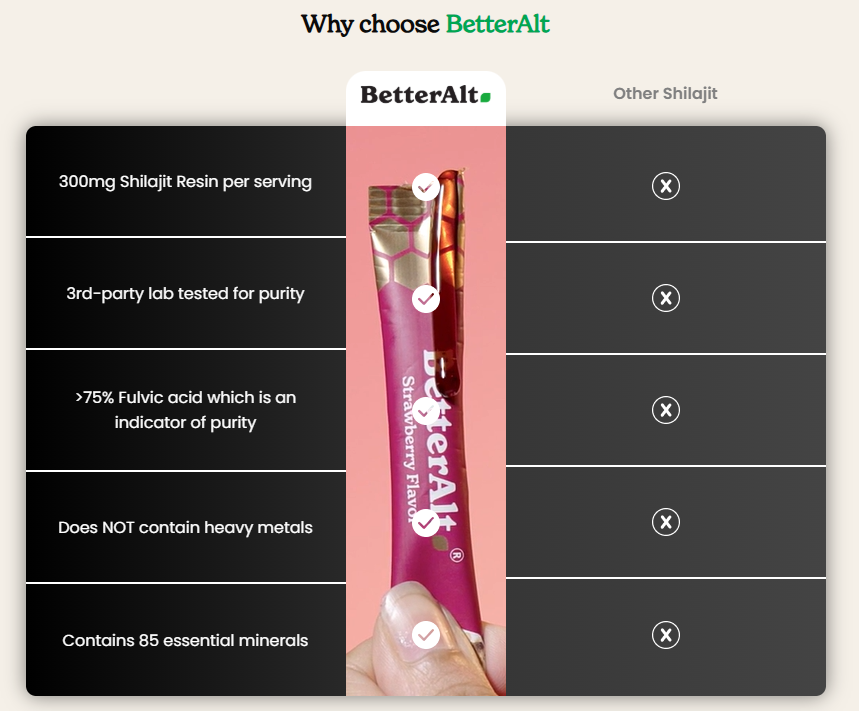
Not all shilajit honey sticks are created equal; each one has different methods and processes.
Some are made with purified, lab-tested ingredients, while others may use raw or poorly processed shilajit that contains harmful contaminants and bacteria. Choosing the right shilajit product is essential to avoid health risks.
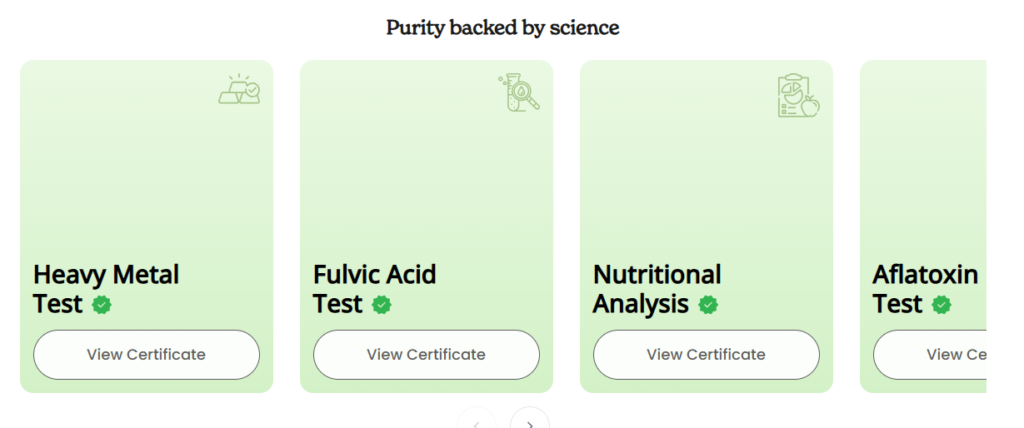
First, always check for third-party testing. Reliable manufacturers provide certificates showing their shilajit is free from heavy metals like lead, mercury, or arsenic. If a brand does not disclose lab reports, it is better to avoid it.
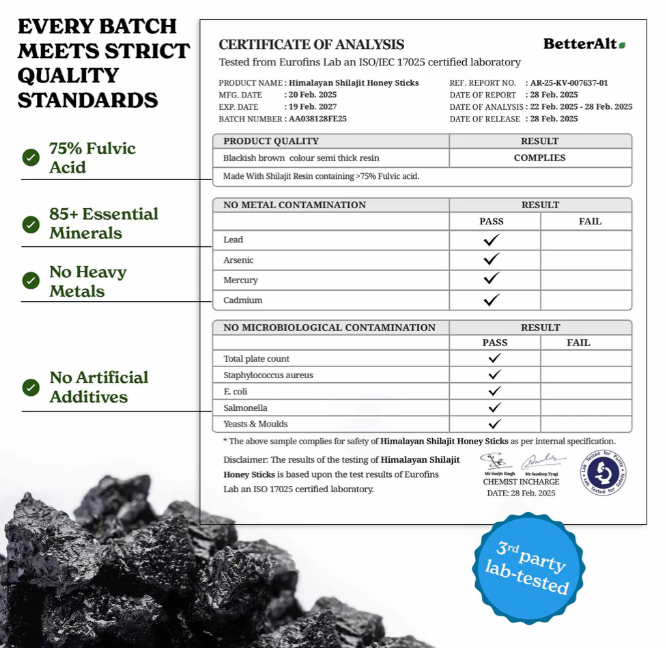
Second, look for purified shilajit rather than raw resin. Raw shilajit can contain soil, fungus, and toxins that are unsafe for human use. Purified forms are processed to remove these impurities while keeping the beneficial compounds intact, and all analysis and test reports are sent to the customer.
Third, pay attention to the honey source. Raw, high-quality honey adds natural benefits, but low-grade or sugar-mixed honey reduces the value of the supplement. Ideally, the product should use organic honey.
Fourth, check the website and Amazon listing, along with product reviews, for trust and transparency. Many people leave comments and feedback—read both positive and negative reviews before buying any Shilajit honey stick.
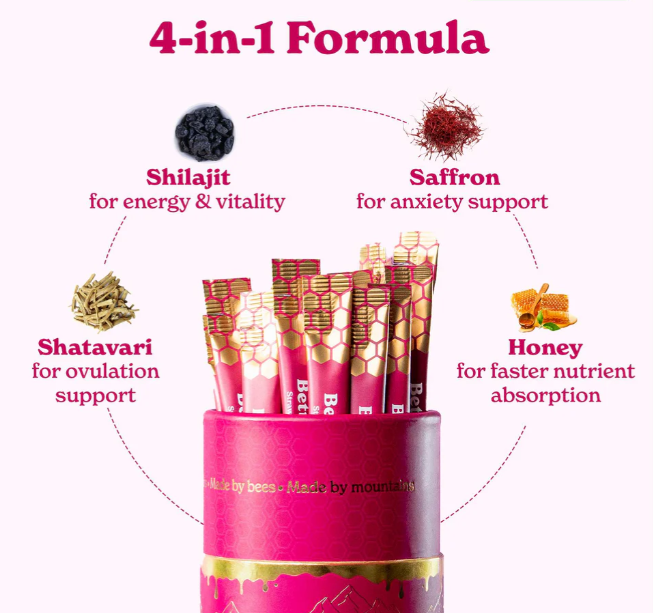
Fifth, check the ingredient profile and supplement facts report to get a clear idea of what else is included. This helps you identify any ingredient you may be allergic to, so you can skip that Shilajit honey stick instantly.
Sixth, check viral TikTok trends and popular videos about Shilajit honey sticks. Read the comments from people who have actually used the product—their real feedback can help you decide whether to buy or ignore it before trying.
Lastly, purchase only from trusted brands that are transparent about sourcing and quality control. Reading customer reviews, checking certifications, and consulting with a healthcare provider before use can help reduce risks.
Alternatives for Energy and Wellness
For people who should avoid shilajit honey sticks, there are safe and effective alternatives that can provide energy and support overall health. Choosing natural, well-researched options helps avoid unnecessary risks.
One alternative is pure raw honey. It offers quick energy, antioxidants, and antibacterial benefits without the risks linked to shilajit. Another is ashwagandha, an Ayurvedic herb that supports stress relief, stamina, and mental focus. Unlike shilajit, ashwagandha is widely studied for safety in controlled doses.
These alternatives may not offer the exact same benefits as shilajit, but they are safer, more accessible, and supported by scientific evidence. Discussing these options with a healthcare provider can help tailor choices to individual needs.
FAQs
Can I take shilajit honey sticks every day?
Not without medical advice. Long-term use may affect blood sugar, blood pressure, or iron levels.
Are shilajit honey sticks FDA-approved?
No. They are sold as dietary supplements and are not FDA-approved medicines.
Is raw shilajit the same as shilajit honey sticks?
No. Raw shilajit can contain impurities. Honey sticks usually use purified shilajit mixed with honey.
Who should see a doctor before using them?
People with diabetes, heart issues, kidney disease, autoimmune disorders, or women who are pregnant or breastfeeding.
Do they really boost energy?
They may give short-term energy from honey and minerals, but research is limited.
Can shilajit honey sticks interact with medicines?
Yes. They may interfere with diabetes drugs, blood pressure medicine, or immune-suppressing treatments.
Are shilajit honey sticks safe for kids?
No. Safety in children hasn’t been proven, so they should be avoided.
Do they help with testosterone or fertility?
Some small studies suggest shilajit may support testosterone, but the evidence is not strong. More research is needed.
Can shilajit honey sticks cause kidney or liver problems?
If the shilajit is impure or contaminated with heavy metals, it can stress the kidneys or liver.
Conclusion
Shilajit honey sticks may seem like a natural energy booster, but they are not safe for everyone. People with health issues, children, and pregnant or breastfeeding women should avoid them, and even healthy adults need to be cautious due to purity concerns and limited research. Choosing safer alternatives and consulting a doctor before use is the best way to protect your health.
You May Like: How to spot fake shilajit gummies
Disclaimer
This article is for informational purposes only. Please consult a licensed healthcare provider before starting any new supplement, especially if you are pregnant, breastfeeding, or on medication.
References
Meena H, et al. (2010). Shilajit: A panacea for high-altitude problems. International Journal of Ayurveda Research. PMC2876922
Joukar S, et al. (2014). Effects of Mumio (Shilajit) on Blood Pressure and Electrocardiogram. International Journal of Pharmacology. — Documents cardiovascular and blood pressure effects relevant to heart patients and hypertension medication users.
Carrasco-Gallardo C, et al. (2012). Shilajit: A natural phytocomplex with potential procognitive activity. Journal of Alzheimer’s Disease. PMC3296184 — Includes safety profile notes.
Schepetkin I, et al. (2003). Characterization and biological activities of humic acids from mumie. Journal of Agricultural and Food Chemistry. — Documents fulvic acid mineral transport mechanisms.
Koppula S & Kumar H. (2012). Shilajit attenuates behavioral symptoms of chronic fatigue syndrome. Journal of Ethnopharmacology. — Documents blood glucose and hormonal effects in a safety context.
Centers for Disease Control and Prevention. Infant Botulism. CDC.gov. cdc.gov/botulism — Authoritative source for raw honey botulism risk in infants under 12 months.

Reviewed by: Dr. Aarya Mehta, MD (India)
Internal medicine physician with an interest in health education, nutrition, metabolic health, dietary supplements, herbal ingredients, and responsible supplement safety information.
View full profile →Medical review date: September 25, 2025