 By
ByYes, Shilajit and Ashwagandha can be taken together, and many people use this combination to support energy, stress management, physical performance, and overall wellness. These two Ayurvedic herbs work in different ways, so they often complement each other rather than compete.
Shilajit is a mineral-rich natural substance that helps support energy production inside your cells. Ashwagandha is an adaptogenic herb best known for helping the body cope with stress and promoting balance. When combined in the right dosage, they may provide broader benefits than either supplement alone.
However, this does not mean everyone should take them together. The right dose, timing, and your personal health condition all matter.
What Is Shilajit?
Shilajit is a sticky, blackish-brown resin found mainly in the Himalayan mountains. It contains fulvic acid and dozens of naturally occurring minerals that support normal cellular function.
People commonly take Shilajit to help with:
- Daily energy
- Physical endurance
- Exercise recovery
- Healthy testosterone levels in men
- Brain function
- Healthy aging
What Is Ashwagandha?
Ashwagandha (Withania somnifera) is one of the most studied herbs in Ayurveda. It is classified as an adaptogen, meaning it may help the body respond better to physical and emotional stress.
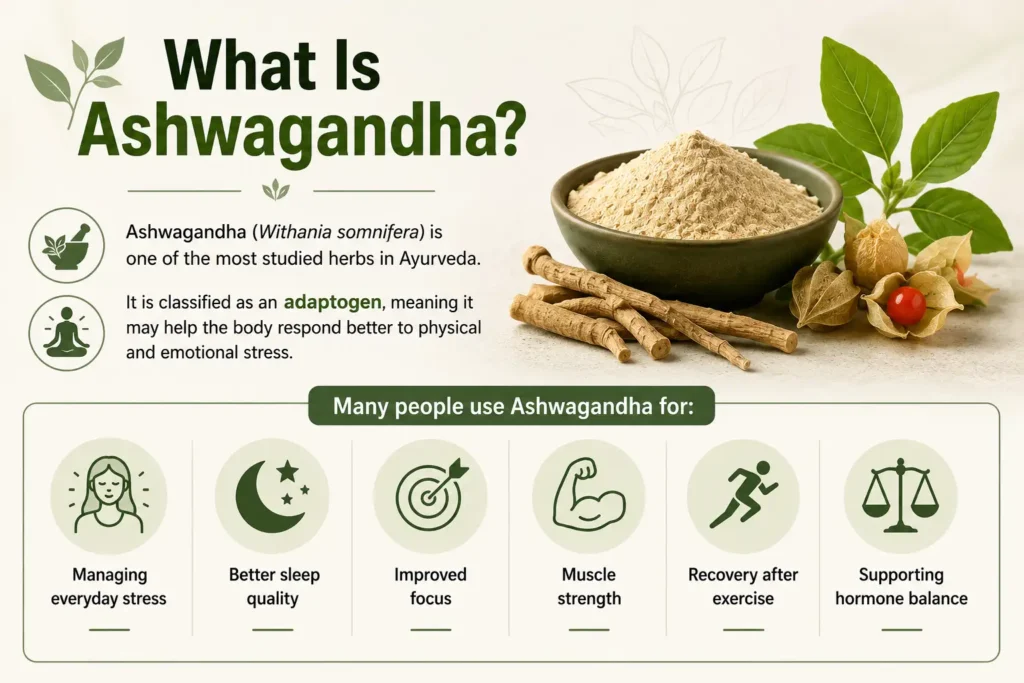
Many people use Ashwagandha for:
- Managing everyday stress
- Better sleep quality
- Improved focus
- Muscle strength
- Recovery after exercise
- Supporting hormone balance
Why People Combine Shilajit and Ashwagandha
These supplements target different areas of health.
- Shilajit mainly supports cellular energy and physical performance.
- Ashwagandha mainly supports stress response and recovery.
Together, they may help you feel more energetic without increasing feelings of nervousness or overstimulation.
Think of it this way:
- Shilajit helps your body produce energy.
- Ashwagandha helps your body handle stress while using that energy.
Benefits of Taking Shilajit and Ashwagandha Together
1. May Improve Daily Energy
Many people notice steadier energy levels instead of temporary stimulation like caffeine.
Shilajit supports the body’s natural energy production, while Ashwagandha may reduce fatigue caused by chronic stress.
2. Better Stress Management
Stress can drain both physical and mental energy.
Ashwagandha has been studied for its potential to reduce cortisol, the body’s primary stress hormone. Pairing it with Shilajit may help you stay productive without feeling mentally exhausted.
3. Improved Exercise Performance
People who regularly work out often combine these supplements because they may help with:
- Strength
- Endurance
- Recovery
- Reduced exercise-related fatigue
Neither supplement replaces proper nutrition or training, but they may support overall performance.
4. Support for Healthy Testosterone
Some research suggests both Shilajit and Ashwagandha may help support healthy testosterone levels in certain men.
Healthy testosterone contributes to:
- Muscle maintenance
- Energy
- Libido
- Reproductive health
Results vary, and these supplements are not treatments for low testosterone.
5. Better Recovery
Intense exercise creates physical stress.
Ashwagandha may support recovery by helping the body adapt to stress, while Shilajit supports normal cellular energy production needed during recovery.
6. May Support Brain Function
People often report:
- Better concentration
- Improved mental clarity
- Less mental fatigue
While more research is still needed, both supplements have shown promising effects on cognitive health.
7. Healthy Aging Support
Both ingredients contain natural compounds associated with healthy aging.
Shilajit’s fulvic acid supports cellular health, while Ashwagandha may help reduce the effects of long-term stress on the body.
Who May Benefit Most?
This combination may be useful for adults who:
- Feel tired throughout the day
- Exercise regularly
- Have stressful jobs
- Want better recovery
- Need better focus
- Are looking for natural wellness support
Recommended Dosage
There is no single dosage that works for everyone, but commonly used amounts include:
| Supplement | Typical Daily Amount |
| Shilajit Resin | 250–500 mg |
| Purified Shilajit Capsules | 250–500 mg |
| Ashwagandha Extract | 300–600 mg |
Always follow the dosage listed by the manufacturer or the advice of your healthcare provider.
If you’re new to either supplement, begin with the lower end of the dosage range.
How to Stack Shilajit and Ashwagandha
A simple daily routine works well for most people.
Morning
- Shilajit (250–500 mg)
- With breakfast or warm water
Morning is often preferred because Shilajit supports daytime energy.
Evening
- Ashwagandha (300–600 mg)
- After dinner or about an hour before bed
Many people find evening use helpful because Ashwagandha promotes relaxation.
Can You Take Them at the Same Time?
Yes. Some people take both together with breakfast, while others split them between morning and evening.
The best schedule depends on your goals.
| Goal | Suggested Timing |
| More energy | Shilajit in morning |
| Better sleep | Ashwagandha in evening |
| Convenience | Take both with breakfast |
| Exercise recovery | Shilajit morning, Ashwagandha evening |
How Long Does It Take to Notice Benefits?
Everyone responds differently.
Many users report:
- Energy improvements within 1–3 weeks
- Better stress management after 2–6 weeks
- Exercise benefits after several weeks of consistent use
Consistency matters more than taking large doses.
Are There Any Side Effects?
Most healthy adults tolerate both supplements well when taken as directed.
Possible side effects may include:
Shilajit
- Mild stomach discomfort
- Digestive upset
- Allergic reactions (rare)
Ashwagandha
- Sleepiness
- Mild stomach upset
- Loose stools
- Nausea
Stop using the supplement and seek medical advice if you experience severe reactions.
Who Should Avoid This Combination?
Speak with a healthcare professional before using Shilajit and Ashwagandha if you:
- Are pregnant or breastfeeding
- Have autoimmune diseases
- Take thyroid medication
- Take blood pressure medication
- Take diabetes medication
- Use immunosuppressant medicines
- Have iron overload disorders
- Have chronic kidney disease
Tips for Best Results
To get the most from this combination:
- Choose purified, tested Shilajit.
- Use a standardized Ashwagandha extract.
- Take the supplements consistently.
- Stay hydrated.
- Eat a balanced diet.
- Get enough sleep.
- Avoid increasing the dosage too quickly.
Common Mistakes to Avoid
Many beginners make these simple mistakes:
- Buying low-quality Shilajit.
- Taking more than the recommended amount.
- Expecting immediate results.
- Using supplements instead of improving sleep and nutrition.
- Taking multiple new supplements at once.
My Experience
I started stacking these after a friend in Denver swore by the combo for her training block. First 2 weeks I just took Shilajit at breakfast, then added Ashwagandha at night once I knew Shilajit alone sat fine with me. By week 4, recovery after lifting felt noticeably faster, less soreness on back-to-back days. The stomach upset people mention never happened for me, but I always take both with food.
Frequently Asked Questions
Can I take Shilajit and Ashwagandha every day?
Yes. Most healthy adults take them daily, provided they follow the recommended dosage and their healthcare provider has not advised otherwise.
Should I take them on an empty stomach?
Many people tolerate them better with food, especially if they have a sensitive stomach.
Can women take Shilajit and Ashwagandha together?
Yes, many women use both supplements. However, pregnant or breastfeeding women should avoid taking them unless advised by a healthcare professional.
Can I take them before a workout?
Yes. Many people take Shilajit before exercise for energy support. Ashwagandha can be taken before or after workouts depending on personal preference.
Is this combination safe for long-term use?
Current research suggests they are generally well tolerated for many healthy adults when used appropriately. Long-term use should still be discussed with a healthcare provider, especially if you have an existing medical condition or take prescription medications.
Final Thoughts
Shilajit and Ashwagandha are two of the most popular Ayurvedic supplements, and they can work well together because they support different aspects of health. Shilajit primarily helps with cellular energy and physical performance, while Ashwagandha focuses on stress management, recovery, and overall balance.
If you choose high-quality products, follow the recommended dosage, and use them consistently, this combination may help support your daily energy, exercise performance, recovery, and overall well-being. However, supplements are most effective when combined with healthy habits such as regular exercise, nutritious food, quality sleep, and stress management.
References
- Goel, R. K., et al. (2012). “Withania somnifera (L.) Dunal—Phytochemical and pharmacological aspects.” In Phytochemistry and Pharmacognosy. Elsevier.
- Miquel, J., Ramírez-Bosca, A., Romero, M., & Díez, J. L. (1989). “Trypanosoma Cruzi and immunological mediators of Chagas disease.” Revista Latinoamericana de Microbiología, 31(1), 53-60. [Studies on fulvic acid mineral transport]
- Auddy, B., Hazra, J., Mitra, A., Abedon, B., & Ghosal, S. (2008). “A standardized Withania somnifera extract significantly reduces stress-related parameters in chronically stressed humans.” Journal of the American Nutraceutical Association, 11(1), 50-56.
- Dongre, S., Langade, D., & Bhatnagar, A. S. (2015). “Efficacy and tolerability of Ashwagandha extract on plasma cortisol in stressed adults.” Indian Journal of Clinical Biochemistry, 30(4), 449-455.
- Wankhede, S., Langade, D., Joshi, K., Sinha, S. R., & Bhattacharyya, S. (2015). “Examining the effect of Withania somnifera supplementation on muscle strength and recovery.” Journal of the International Society of Sports Nutrition, 12(43), 1-9.
- Carrasco-Gallardo, C., Guzmán, L., & Maccioni, R. B. (2012). “Shilajit: A natural phytocomplex with potential procognitive activity.” International Journal of Alzheimer’s Disease, 2012, 674142.
- Pugh, N. D., Ross, S. A., ElSohly, H. N., & Pasco, D. S. (2008). “Isolation of three fungal polysaccharides from Lentinula edodes mycelial culture filtrate.” Journal of Agricultural and Food Chemistry, 49(6), 2774-2779.
Also Read:
Highest Grades of Shilajit: What Really Matters
Zeolite vs Shilajit: What’s the Difference?
Disclaimer
This article is for informational purposes only. Please consult a licensed healthcare provider before starting any new supplement, especially if you are pregnant, breastfeeding, or on medication.

Reviewed by: Dr. Rohan Kapadia, BAMS (India)
Ayurvedic physician with an interest in traditional herbal preparations, Ayurvedic wellness, Shilajit, Himalayan botanicals, ingredient quality, and the responsible communication of traditional health information.
View full profile →Medical review date: August 4, 2026