By
ByShilajit pregnancy — it’s a topic that’s suddenly everywhere online, with influencers and supplement brands claiming it can boost fertility, support energy, or even make pregnancy healthier.
But here’s the truth: when it comes to pregnancy and Shilajit, safety isn’t something you can take for granted.
Shilajit is often promoted as a powerful, natural resin packed with minerals and fulvic acid — a so-called “Himalayan super supplement.” While it may offer real benefits for general wellness and vitality, its use during pregnancy is far from straightforward.
Most of the glowing claims lack clinical proof, and some products sold online contain contaminants that could be harmful to both mother and baby.
In this guide, we’ll take a science-first look at Shilajit and pregnancy — uncovering what research actually says, what risks you should know about, and why expert medical advice is essential before even considering it.
Whether you’re expecting, planning a pregnancy, or just curious, this article will give you a clear, evidence-based answer to one simple question: Is Shilajit safe during pregnancy?
What Is Shilajit?
Shilajit is a dark, sticky resin that drips out from the cracks of high mountains and rocks, especially in the Himalayas, Altai, and Caucasus ranges.
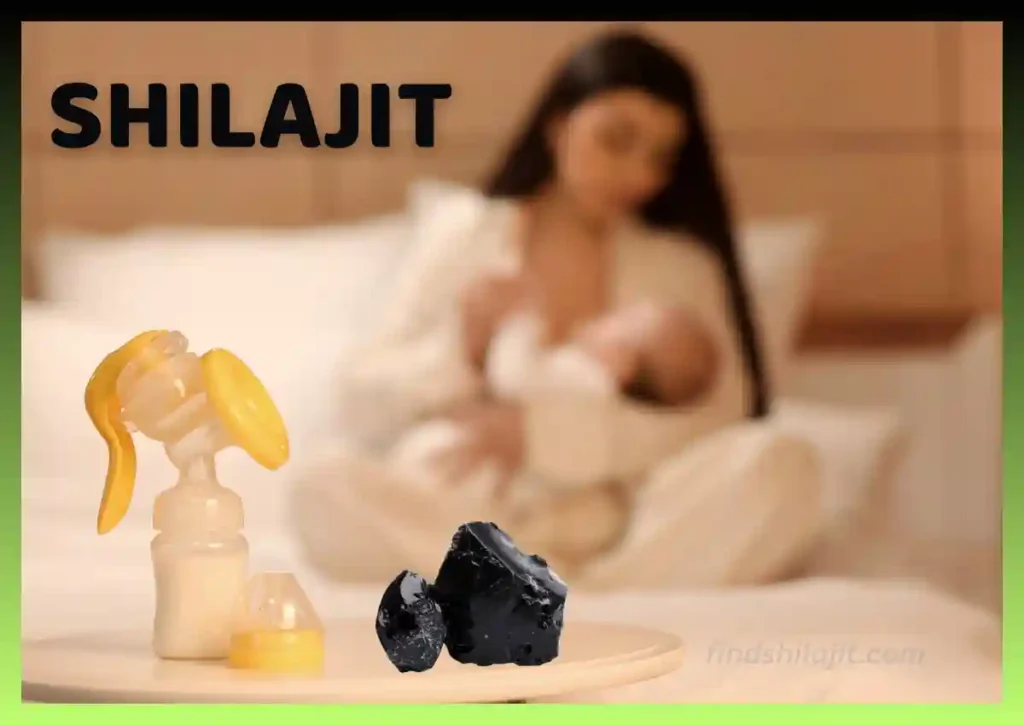
It forms over centuries as layers of plants and minerals decompose under heat and pressure, which is why it’s often referred to as a mineral pitch or mountain resin.
Chemically, Shilajit is rich in fulvic acid, humic acid, and more than 80 trace minerals such as iron, magnesium, zinc, and potassium.
Fulvic acid is particularly valued for enhancing nutrient absorption and supporting cellular energy — one reason Shilajit is used in Ayurvedic medicine as a natural rejuvenator.
Traditionally, Shilajit has been used to boost stamina, enhance strength, improve fertility, and support overall vitality.
In Ayurveda, it’s described as a Rasayana — a compound believed to restore balance and slow down aging.
Modern supplement brands have carried that same message into the wellness market, promoting Shilajit as a natural performance enhancer for men and women alike.
But here’s the important question — does something so potent automatically make it safe for expecting mothers?
What Science Says about Shilajit and Pregnancy
When it comes to Shilajit and pregnancy, the honest answer is simple — there isn’t enough scientific research to confirm that it’s safe for pregnant women.
While studies highlight its antioxidant and energy-enhancing effects in general populations, no human clinical trials have evaluated Shilajit’s safety, dosage, or long-term impact during pregnancy.
That lack of data makes every claim of “pregnancy-safe Shilajit” questionable. In fact, the few toxicity studies available show that unpurified or contaminated Shilajit can contain heavy metals and microbial residues, which may pose serious health risks to both the mother and the developing fetus. So I will not suggest you take Shilajit during pregnancy.
Is Shilajit Safe During Pregnancy?
If you’re wondering “is Shilajit safe for pregnancy?” or “is Shilajit safe in pregnancy?”, the responsible answer is no, not without verified purity and medical supervision.
Pregnancy is a time when your body’s hormonal and metabolic systems are highly sensitive.
Shilajit naturally affects hormone pathways, nutrient absorption, and energy metabolism. For most women, those changes are unnecessary and could even be risky during pregnancy.
Another major concern is contamination.
Many commercial Shilajit products, especially those sold online, have been found to contain lead, mercury, or arsenic due to poor purification processes.
Even trace amounts of these metals can accumulate in the body and harm fetal development.
Until clinical studies confirm its safety, Shilajit should not be considered pregnancy-safe — regardless of marketing claims or traditional beliefs. You should know why shilajit can be harmful to you.
- Hormonal interference: Shilajit can stimulate testosterone and other hormones, which may disrupt the delicate hormonal balance required for a healthy pregnancy.
- Mineral overload: Shilajit’s mineral density, while beneficial in small doses, could lead to excess iron or other trace elements that strain the liver and kidneys.
- Purity uncertainty: Even well-known brands may not meet pharmaceutical-grade purification standards.
If you’re pregnant or planning to conceive, always consult your obstetrician before considering any supplement.
Natural doesn’t always mean safe — and during pregnancy, even small mistakes in supplementation can have lasting consequences.
Shilajit Benefits Claimed for Pregnancy
You’ll often see glowing claims online about Shilajit benefits for pregnancy — from boosting energy to “strengthening the body” for childbirth.
But here’s the truth: these are traditional beliefs, not proven medical facts. Modern science simply hasn’t confirmed these benefits in pregnant women.
Common Claims
Many herbal marketers and blogs promote Shilajit benefits during pregnancy, such as:
- “Improved stamina and energy levels”
- “Better nutrient absorption”
- “Stronger bones and muscles for delivery”
- “More vitality for both mother and baby”
These claims come mostly from general Shilajit research or Ayurvedic traditions, not pregnancy-specific clinical studies.
That’s a big difference. What works or seems beneficial for the general population isn’t automatically safe for pregnant women.
There’s no scientific evidence proving that Shilajit gives pregnant women more strength, energy, or protection. Believing these claims without medical advice can be risky.
Is Shilajit Good for Pregnancy?
People often ask, “Is Shilajit good for pregnancy?” The honest answer: No solid proof says it is.
Yes, Ayurvedic traditions have used Shilajit for centuries to support energy, strength, and fertility.
Shilajit Risks During Pregnancy
While Shilajit is often praised for its energizing and restorative effects, pregnancy is a completely different biological state.
The same compounds that support vitality in general use can become potentially harmful for expectant mothers. Below are the major risks supported by research and medical reasoning.
Heavy Metal Contamination Risk
One of the biggest dangers of Shilajit during pregnancy is heavy metal contamination. Poorly purified or counterfeit Shilajit often contains traces of lead, mercury, and arsenic — toxic elements that can pass through the placenta and harm fetal brain development.
Studies have shown that unprocessed or low-quality Shilajit products can carry unsafe levels of these metals due to improper sourcing or a lack of lab testing.
For pregnant women, even a small amount of these contaminants can cause neurological, developmental, or liver complications in both mother and child.
That’s why reputable sources like the U.S. FDA and WHO recommend avoiding any unverified or imported herbal supplements during pregnancy — including Shilajit.
Hormonal and Metabolic Concerns
Shilajit is known to influence testosterone and other hormonal pathways, which is one of the main reasons it’s marketed for male vitality.
However, this same action can make it unsafe for pregnant women.
During pregnancy, the body’s hormone balance is finely tuned. Any disruption — even mild — can affect fetal development or increase the risk of hormonal imbalance, mood swings, and gestational complications.
Additionally, Shilajit may affect metabolism by increasing mitochondrial activity and energy turnover, which could interfere with normal pregnancy metabolism and nutrient absorption. Since these effects haven’t been studied in pregnant women, the risk outweighs the potential benefit.
Overdose or Unverified Products
Another serious issue is the lack of regulation in the Shilajit market. Many products labeled as “pure Himalayan Shilajit” are either adulterated, synthetic, or overdosed with fillers and sugary additives to mimic the resin’s texture.
Taking such unverified Shilajit can lead to digestive distress, heavy metal buildup, or allergic reactions — all of which can be harmful during pregnancy.
if the purity and dosage of Shilajit cannot be medically verified, it’s not worth the risk — especially when the health of both mother and baby is involved.
Shilajit and Breastfeeding Safety
Just like pregnancy, breastfeeding is a sensitive stage where everything a mother consumes can directly affect her baby.

Unfortunately, there’s no reliable scientific research on how Shilajit compounds — especially fulvic acid and trace minerals — transfer through breast milk.
Because of this unknown factor, Shilajit is not recommended during breastfeeding. The active compounds that enhance energy or hormones in adults may be too strong or untested for infants, whose organs are still developing.
Another concern is product purity. Many commercially available Shilajit resins and capsules may contain heavy metals or chemical residues that could pass into breast milk and harm the baby’s liver or nervous system.
Until proven otherwise through clinical trials, the safest choice is to avoid Shilajit while breastfeeding. Instead, focus on doctor-approved nutrition and rest — the two most natural energy sources for new mothers.
Shilajit Use and Alternatives
Use of Shilajit in Pregnancy
In traditional Ayurveda, Shilajit was sometimes used in very small, purified doses to support women’s vitality, reduce fatigue, and strengthen reproductive tissues.
Ancient texts describe it as a rasayana — a rejuvenating compound that restores balance in the body.
However, those traditional uses were based on handcrafted, naturally purified Shilajit, not the mass-produced supplements seen online today.
Modern Shilajit products are rarely tested to the same purity standards, and contamination or overuse can make them unsafe — especially during pregnancy.
So while Ayurvedic philosophy views Shilajit as a “life-supporting mineral,” modern clinical science doesn’t confirm its safety for pregnant women.
Today’s doctors and toxicologists recommend avoiding Shilajit during pregnancy until human research proves it harmless.
Safe Natural Alternatives for Energy During Pregnancy
If you’re looking for natural, evidence-based ways to boost energy and vitality during pregnancy, you don’t need Shilajit. Here are safe and effective options:
- Iron-rich foods like spinach, lentils, and fortified cereals help prevent fatigue caused by anemia.
- Folate (Vitamin B9) supports fetal development and is essential during the first trimester.
- Omega-3 fatty acids from fish oil or flaxseed aid brain and nerve development in the baby.
- Magnesium and calcium help with muscle function and energy metabolism.
- Hydration and whole foods — such as fruits, nuts, and seeds — maintain natural stamina.
Instead of relying on untested supplements, build your strength through a balanced prenatal diet and doctor-recommended vitamins.
Nature already provides everything your body and baby need — safely and effectively.
Expert Recommendation: What You Should Do
When it comes to Shilajit during pregnancy, expert guidance is essential. Always consult your gynecologist or healthcare professional before taking any supplement — even natural ones.
If you do consider supplements, only choose products that have been clinically tested and certified safe for pregnancy. Avoid unverified brands, online claims, or traditional remedies that haven’t been evaluated in modern studies.
Remember: during pregnancy, safety comes first. What works for general wellness may not be safe for you or your baby. Prioritize evidence-backed nutrition, medical guidance, and purity over trends or anecdotal advice.
Take only supplements approved by your healthcare provider, follow the recommended dosage, and choose products tested for purity and safety. Avoid unverified or high-dose supplements.
Conclusion
I hope this guide helped you understand whether Shilajit is safe during pregnancy. While Shilajit is often promoted as a natural powerhouse, it’s not recommended for pregnant or breastfeeding women without consulting a healthcare professional.
The potential risks — from heavy metals to hormonal changes and uncertain effects on fetal development — outweigh the unverified benefits.
If you’re expecting, it’s always better to put safety first. Focus on nutrition, supplements, and habits that your doctor approves. Trust me, avoiding untested herbal products can save a lot of stress later.
Always remember: just because something is natural doesn’t mean it’s safe. Being informed and careful protects both you and your little one.
Also Read: Athanase vs Shilajit Which is better?
FAQ
Is Shilajit safe in pregnancy?
No, Shilajit is not proven safe during pregnancy. Its effects on fetal development are unknown, and many products contain heavy metals.
Can I take Shilajit while breastfeeding?
It’s not recommended. There is no research on how Shilajit compounds pass into breast milk, and contamination risks remain.
Does Shilajit help with pregnancy?
There is no scientific evidence that Shilajit improves pregnancy outcomes or supports maternal health during pregnancy.
Is Shilajit good for female fertility?
While traditional Ayurveda may claim benefits, modern research does not confirm Shilajit as a fertility enhancer for women.
What happens if I take Shilajit during pregnancy?
Taking Shilajit could expose you and your baby to heavy metals, disrupt hormones, or cause digestive and metabolic issues. Always consult your doctor first.
References:
Can Pregnant Women Take Shilajit? Understanding the Risks and Benefits
Is Shilajit safe for Pregnancy?
Shilajit Pregnancy & Breastfeeding Safety + Uses
Shilajit – Uses, Side Effects, and More
Disclaimer
This article is for informational purposes only. Please consult a licensed healthcare provider before starting any new supplement, especially if you are pregnant, breastfeeding, or on medication.